

Connecting dots through design
Hello! Welcome to my playground.
The focus of this space is the cross pollination of disciplines in the spirit of creativity and discovery.
You can read the archive of the latest articles below, and join the newsletter to receive resources and tools to expand your thinking and creative practice (plus getting access to the full archive!).
Topics
Explore through main areas of interest:
Sustainability
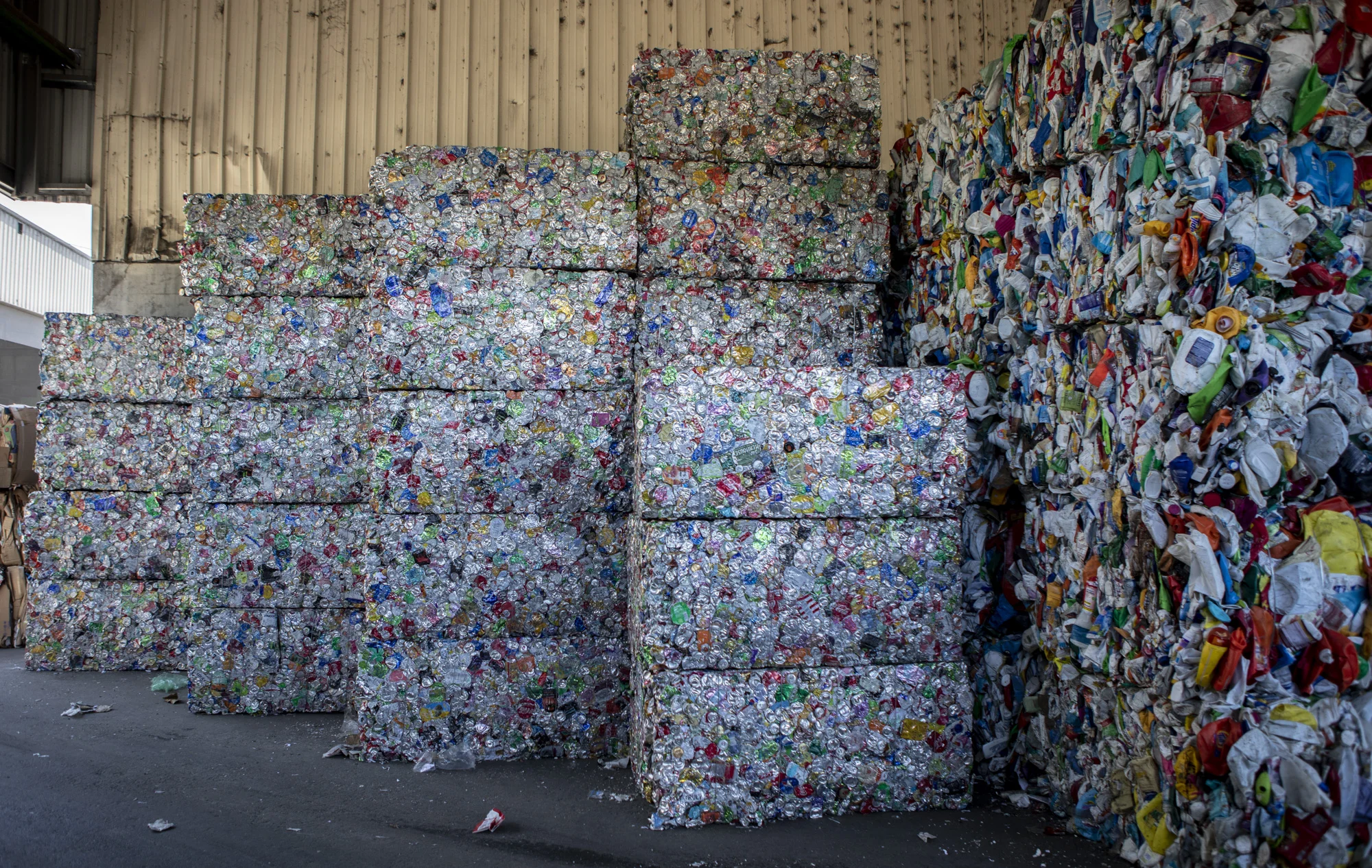


Today's topic is built once again around sustainability. In this case, it involves the idea of beauty in sustainability.
- Are sustainability and beauty concepts separated by nature?
- How can we merge aesthetics into ecological approaches?
Specially this second questions is one I want to deepen in through my path in design. Some people even consider green design and great design to inherently follow completely different quests, being almost incompatible. Does it have to be this way?

One subject that has been a focus of interest in my recent studies is sustainability. It is “on trend”, everybody speaks about it, but we should really stop and think about what the concept means to us.
We must start thinking about sustainable develpment in a deeper and broader way.
Many believe this deals only with energy efficiency, carbon emissions and ecomaterials, but in most cases it goes beyond that.
Generally the bigger problem is with use.
Multisensory Design and Perception

A perfect meal involves much more than how the food on the plate tastes. In the dining process, there is a lot going on inside our body in the appreciation and absorption of what we eat.
This is why the current generation of chefs is interested in going beyond the basic culinary science that they have been taught. Many of these chefs are really curious to learn more about the minds, and not just the palates, of their diners.
They want to know how does the experience feel. What is the diner's behavior? What elements make an impact on their enjoyment and decisions?

The significance of touch in human life is primary.
Like other senses, tactility informs us about the surrounding, prevents our body from danger, contributes to the exploration of an object, but most important it has an emotional component that can give us the feeling of safety and pleasure.
Yet, according to Weber (1995), tactile mechanisms are undeniably the most complex and least understood.

Understanding the sonic environment is fundamental. We tend to get used to sounds, but we don't notice the impact it has on our behavior.
If you evaluate an environment like the office you will probably notice it is in fact too loud, which can add to your stress levels. As a practice take a minute and listen… you’ll probably hear many sounds that you’ve trained yourself to ignore.

Typically, design professionals in the west think about the smell environment in terms of control and management – separation, deodorization, masking and scenting – but not about preserving and celebrating smells that people like.
But why do we fail to embrace the olfactory in our work as designers and city planners? How can we design a better smellscape?

Environment, human perception and design hold in a broader spectrum of possibilities and we are ignoring it ― our focus has become too narrow due to a subconscious effect: the dominance of vision.
Vision is the protagonist, taking up half of our brain's resources to process information. It's how we have always apprehended major threats, food supplies, and reproductive opportunity, placing our eyes as a principal way to collect data and ultimately, as the "most important" sense.
But what happens with the other senses?

We must face this reality: we tend to miss the majority of what goes around us, or even inside us, in our body perception. There are so many events occurring at once that we look past them. We are more likely to view through our phones instead of opening our eyes to the environment’s beautiful details.
I am guilty as well of missing out a ton, so that is why today's topic is dedicated to drawing and the relationship it establishes with our perceptions. To me, drawing is a form of self-expression that acts with a double purpose: connecting with myself and connecting with my surroundings, in a deeper way any other activity can. It is a way of regaining the private joy of seeing.
Library
Explore key ideas from inspiring reads in my bookshelf:



For decades we have painted a portrait of designers being the visionaries behind big changes in the way we build things. And while that is true in some part it ignores an important reality: design is part of a system.
Design is not about an individual, but relates to the values of society.

In creating a product, a designer has many factors to consider: the choice of material, the manufacturing process, the way the product is marketed, cost and functionality. But what many people don't realize is that there is also a strong emotional component to how products are designed and put to use.
What happens when we see a design for the first time?

What does it mean to do good design?
What principles are important?
While we develop our own language, we can use some guide from the masters. And there is no one like Massimo Vignelli.
Of course there's no specific recipe, but according to Massimo's vision, let's comment on the three fundamental aspects EVERY good design should address.
Archive
Explore in chronological order, to discover the journal through time:


Christmas is close and whether you need to find a present for Secret Santa in the office or surprise a loved one here’s a list of fun things to gift (or buy for yourself) in different categories and price range.

We already know ethics is important.
The question is: how can you approach ethics when there are no guidelines or frameworks for it inside our companies, or nobody else is interested but you?
While the past post covered general ideas about ethics and the problems faced in our industry this article is focused on practical advice to work towards more ethical outcomes, whatever it is you do.

What we do as creatives is not neutral.
Ethics is a permanent questioning of what is desirable for the good of all and it is unthinkable that creatives do not take part of this. Our work is inherently filled with decisions that in one way or the other will affect another person's life and that is a huge responsibility.
Since design is part of a system, you are subject to external factors like the interests of clients and trends in the industry, and even though we have achieved a recognizable development that makes our lives easier in the last decades there are also questionable consequences, like what we are seeing with data surveillance or dark patterns.
Those strategies may work in relation to the financial goals of the client but it is not the right approach regarding the well-being of the user.
What is then, the right approach when it comes to ethics?

“Find something you love to do and you’ll never have to work a day in your life.”
If we analyze this quote, it kind of makes work a bad thing. Something to be avoided or changed by doing what you really love but still separate from the idea of work itself because they appear to be incompatible.
Or, on the other hand, it idealizes the thing you love with the idea that there is no work behind it, which is also not true.
Because actually, work is work, even if it is the thing you love.
But what does the act of work mean?

We try to avoid it: corrosion, wrinkles, or any other signs of aging.
Perhaps as architect Juhani Pallasmaa—author of The Eyes of the Skin—stated, the reason we prefer materials that don’t show age like glass or synthetic plastics is because we don’t want to be reminded of our immortality.
But what if we celebrate the pass of time?
Based on the work of the designer Lex Pott (and as part of the graduate studies I’m taking—a Master in Design through New Materials) we did a workshop at ELISAVA to decode and experiment with the way corrosion works.

Design should make us smile more. Isn't it what it's all about?
Smiling elevates your mood and reduces stress, and we can facilitate happy emotions through our work. Below a compilation of cheerful ideas in a random order :)

First of all, I'd like to say that I feel really grateful for the education I have received in architecture school and that I've had many wonderful teachers. Nevertheless, it's good to question how we do things, and it is in part what this space is all about.
I've been discussing this topic for a long time with friends and colleagues from different countries, researched about the subject, and there are issues that become repetitive in our experiences.

Beauty and aesthetics, as we all know, are an ongoing concern in the world of design and art. But beauty is subjective and hard to define. What you may find beautiful, could be ordinary or even ugly to others. It's deeply linked with emotions and experience.
Isn't it what makes it all more special? Beauty is not a mere surface but a central part of what it means to be human.
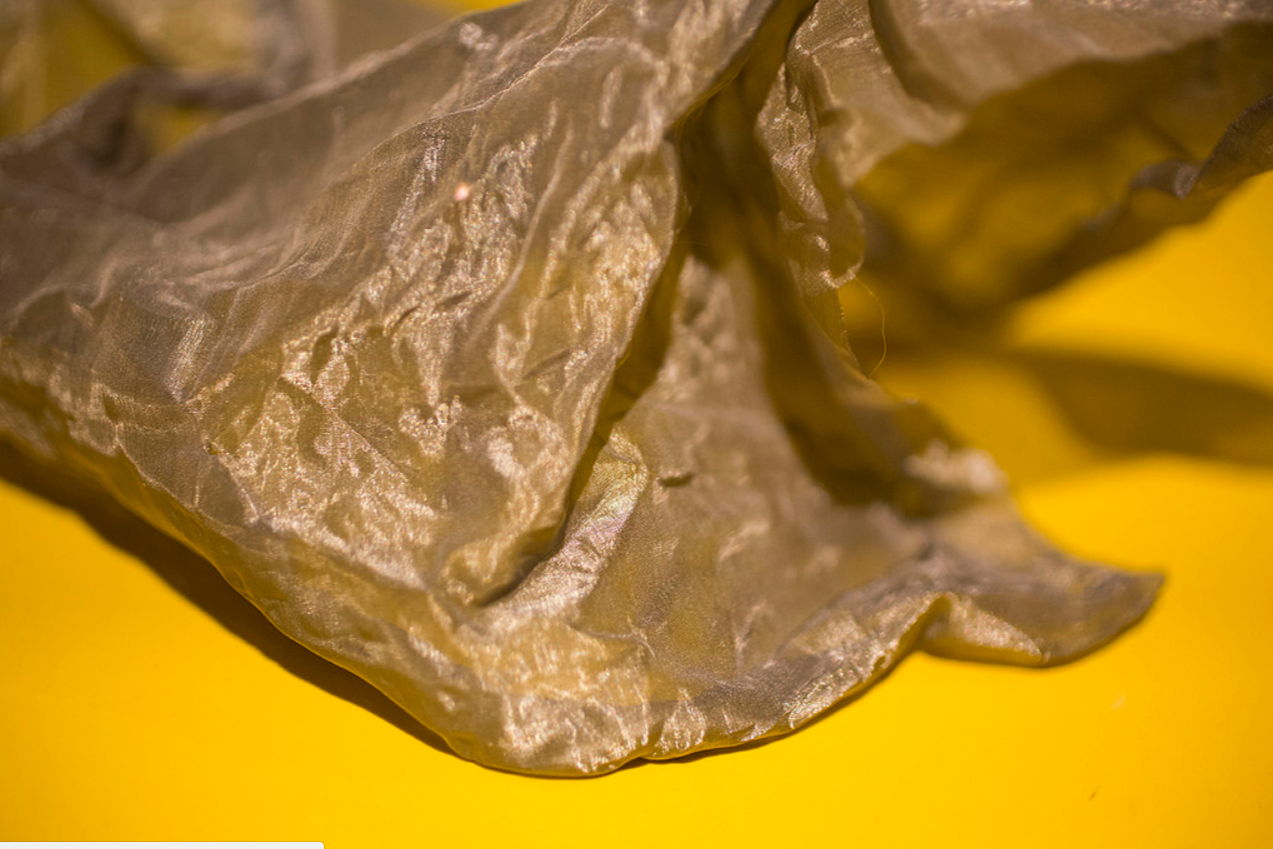
The Do-It-Yourself movement is now expanding beyond products to the materials that embody the products themselves.
In comparison to the industrial ones, DIY-Materials are "created through individual or collective self-production practices, often by techniques and processes of the designer's invention. They can be entirely new materials, modified or further developed versions of existing materials".
I had the opportunity to attend a lecture on DIY-Materials by Marta Gonzalez, PhD in Science of Materials and Metallurgic Engineering, and Senior Researcher in Elisava Research, and I'll share an outline of it here, with examples of their applications.
For decades we have painted a portrait of designers being the visionaries behind big changes in the way we build things. And while that is true in some part it ignores an important reality: design is part of a system.
Design is not about an individual, but relates to the values of society.

It's good to have goals behing what you do. The thing is when those expectations get in the way of actually enjoying anything that happens in the process and is not immediately perfect.
And let's face it, in the beginning, it almost certainly won't be. There's a lot of struggle and sweat and tears. So what if seeking the absurd is exactly what we should be aiming for?
In creating a product, a designer has many factors to consider: the choice of material, the manufacturing process, the way the product is marketed, cost and functionality. But what many people don't realize is that there is also a strong emotional component to how products are designed and put to use.
What happens when we see a design for the first time?
What does it mean to do good design?
What principles are important?
While we develop our own language, we can use some guide from the masters. And there is no one like Massimo Vignelli.
Of course there's no specific recipe, but according to Massimo's vision, let's comment on the three fundamental aspects EVERY good design should address.

Doing your portfolio can become a nightmare. There's just too much to do.
Sometimes we can get stuck because we don't know how to organize the execution, or we feel that something is missing but we don't know what it is.
In the process of applying to grad school, I had to make several versions of my portfolio, according to the specific requirements of each institute. They varied in the number of projects, format and focus areas. So I had to rework a lot of things, but always making sure I met the deadline.
Here are my top tips from going through the grueling process myself, and doing a lot of research on the topic.

Yves Béhar is a Swiss designer and entrepreneur. He is the founder and principal designer of Fuseproject, an award-winning industrial design and brand development firm.
I came across one of his TED Talks a while ago, "Designing Objects with Stories", and his speech from 2008 is still current and definitely food for thought.